
If we’re connected on LinkedIn, you’ve probably noticed my feed has looked a little different over the last month. Less about channels, and more about selling.
To me, those two things have always been deeply connected.
One of the things I’ve realised after decades working with vendors, distributors, MSPs, integrators, and channel leaders, is that many people misunderstand what selling actually is.
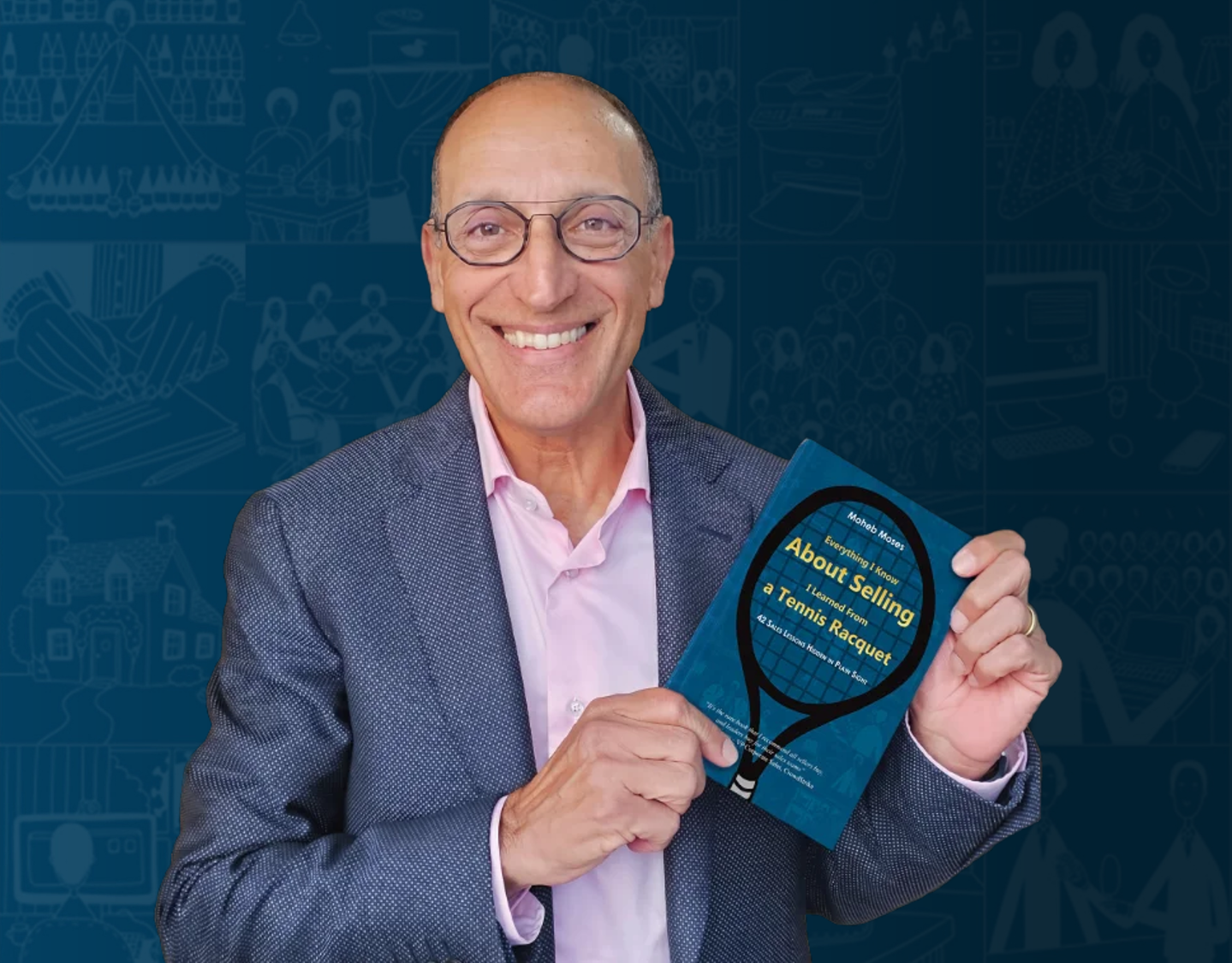
It’s why I wrote my book, Everything I Know About Selling, I Learned from a Tennis Racquet.
Selling is not just what happens when someone has a quota. Selling is what happens when you’re trying to influence a decision, change a perception, create confidence, or encourage someone to invest time, money, energy, or trust into a direction.
If you’re a vendor trying to convince a partner to build a practice around your technology… that’s selling. If you’re an MSP trying to persuade a vendor to invest more heavily in your business… that’s selling. If you’re a manager trying to transition your organisation towards a new business model… that’s selling too.
The audience may be different. The message may be different. The value proposition will definitely be different. But the underlying skills are remarkably similar. Curiosity. Listening. Positioning. Questioning. Understanding motivation. Communicating value.
And strangely enough, many of the lessons that shaped my thinking came from watching people do those things badly.
Like the channel account manager who proudly announces, “What makes our partner program completely different is…” then describes something identical to every other partner program on the planet. Or the distributor sales rep who hears, “We’re having issues with our current supplier” and immediately launches into a pitch without understanding what the issues are. Or the trade show conversations where someone starts talking about their product before they’ve learned a single thing about the person standing in front of them.
After you’ve watched thousands of interactions like that over the years, patterns start becoming obvious. You begin to notice the small moments that separate transactional people from trusted advisers. The difference between people who present… and people who genuinely connect. The difference between talking and understanding.
That’s really what the book became.
Not a collection of sales techniques or scripts. More a collection of observations about human behaviour, communication, trust, influence, and the small moments that shape commercial relationships.
I wanted the book to be entertaining. That’s why the stories revolve around random things like tennis racquets, an octopus salad, canned duck, and Danish bookshelves. I know salespeople today have short attention spans. That’s why I kept my chapters short enough to read in about two minutes.

But the lessons underneath them are the same lessons I’ve spent my career seeing inside channel relationships all over the world.
After all these years, I’ve become acutely aware that the best commercial people are rarely the ones who talk the most. They’re the ones who are curious. The ones who notice more.
And the most successful salespeople aren’t the ones with the best products.
They’re usually the ones who best understand the business sitting across the table from them. The ones who understand how their partners make money, where the friction is, what pressures they’re under, and what growth actually looks like in their world.
They know how to position their offering in a way that makes commercial sense, not just technical sense.
And in channel ecosystems especially, that matters. Because relationships are not the outcome. They’re the mechanism through which outcomes are achieved.
If you’re curious about the stories and observations behind these ideas, you’ll find plenty more of them in the book.